
John Coltrane: Ballads
Exploring John Coltrane’s Timeless Ballads
Ballads Album Overview
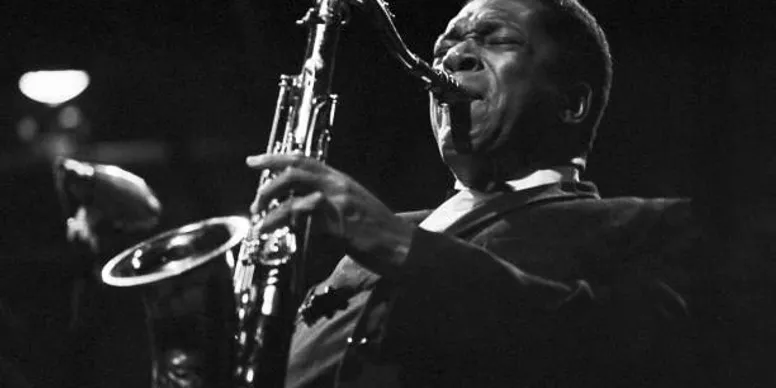
Experience the soothing depths of John Coltrane’s ‘Ballads,’ where mastery meets emotion, creating an unforgettable auditory journey.
Emotional Depth

Coltrane’s ability to infuse every note with profound emotion has made ‘Ballads’ a cornerstone in jazz history, resonating with listeners of all generations.
Collaborative Genius
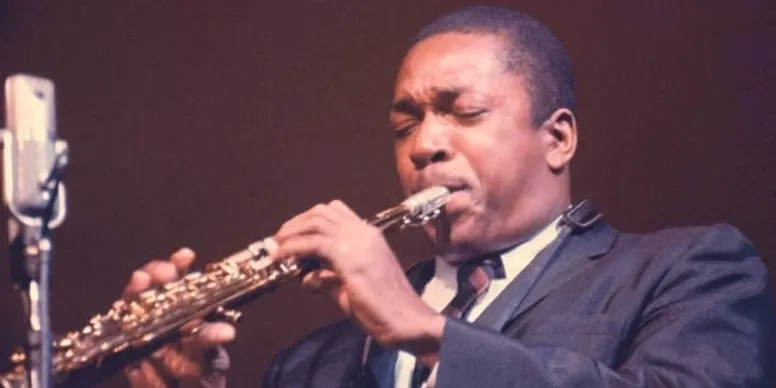
Featuring a stellar lineup of musicians, including McCoy Tyner and Jimmy Garrison, ‘Ballads’ captures the essence of collaboration that defines jazz.
Historic Influence

The album’s impact extends beyond its release, continuing to inspire countless jazz musicians and enthusiasts throughout the Bay Area and beyond.
Listening Experience
Dive into a collection of beautifully arranged pieces that invite reflection, meditation, and appreciation of the art of jazz.
John Coltrane – Ballads
Some albums make you want to stop what you’re doing and simply listen. For me, John Coltrane’s Ballads is one of them.
Hi, I’m Glen Bell, and I’m sharing another favorite from my desert island album list at Bay Area Jazz Lines.
I’ve always loved Coltrane’s earlier ballad playing, and this album brings together so much of what I enjoy about that side of his music. It ranks very high among the records I’d want to take with me.
Released in nineteen sixty-three, Ballads reveals Coltrane’s warm, lyrical approach to a collection of jazz standards. His phrasing feels unhurried, giving each melody room to breathe. You can hear how much expression he brings to a single note, and how thoughtfully he shapes a musical phrase.
Joining him are McCoy Tyner on piano, Jimmy Garrison on bass, and Elvin Jones on drums. Together, they create a gentle, responsive setting for his saxophone. Listen to the accompaniment as well as the melody—the way the musicians support one another is part of the pleasure of this record.
Coltrane is one of the most influential figures in jazz, and Ballads offers a wonderful way to get to know his playing. It’s welcoming for someone just discovering the music, with plenty to appreciate over years of listening.
For me, this is an essential album. If you enjoy a beautiful melody played with warmth and feeling, give John Coltrane’s Ballads a listen.
My Personal Favorite: Say It (Over and Over Again)
Ballads
“Say It (Over and Over Again)” (Jimmy McHugh)– 4:18
“You Don’t Know What Love Is” (Gene DePaul)– 5:15
“Too Young to Go Steady” (Jimmy McHugh)– 4:23
“All or Nothing at All” (Arthur Altman)– 3:39
“I Wish I Knew” (Harry Warren)– 4:54
“What’s New?” (Bob Haggart)– 3:47
“It’s Easy to Remember” (Richard Rodgers)– 2:49
“Nancy (With the Laughing Face)” (Jimmy Van Heusen)– 3:10
Personnel
John Coltrane – tenor saxophone
McCoy Tyner – piano
Jimmy Garrison (#1–6, 8) – bass
Reggie Workman (#7; Disc 2, #3–14) – bass
Elvin Jones – drums
Features
Ballads Album Overview
Experience the soothing depths of John Coltrane’s ‘Ballads,’ where mastery meets emotion, creating an unforgettable auditory journey.
Emotional Depth
Coltrane’s ability to infuse every note with profound emotion has made ‘Ballads’ a cornerstone in jazz history, resonating with listeners of all generations.
Collaborative Genius
Featuring a stellar lineup of musicians, including McCoy Tyner and Jimmy Garrison, ‘Ballads’ captures the essence of collaboration that defines jazz.
Where do I go after Ballads?
1. John Coltrane and Johnny Hartman (1963)
Many fans consider this the perfect companion to Ballads. Coltrane’s warm tenor saxophone intertwines beautifully with vocalist Johnny Hartman on standards such as “Lush Life” and “My One and Only Love.”
Why you’ll love it: The same romantic, late-night atmosphere as Ballads.
2. Crescent (1964)
A deeply reflective and spiritual recording featuring the classic quartet with McCoy Tyner, Jimmy Garrison, and Elvin Jones.
Why you’ll love it: Thoughtful, lyrical playing with beautiful melodies and emotional depth.
3. Coltrane (1962)
An accessible and melodic album that balances ballads and more energetic performances. Highlights include “Out of This World” and “Soul Eyes.”
Why you’ll love it: A natural next step after Ballads without venturing too far into Coltrane’s more adventurous work.
4. Lush Life (1961)
A collection of earlier recordings featuring some of Coltrane’s most beautiful interpretations of standards, including the title track.
Why you’ll love it: Rich, emotional ballad playing and gorgeous tone.
5. My Favorite Things (1961)
Although more exploratory than Ballads, the title track remains one of Coltrane’s most melodic and inviting performances.
Why you’ll love it: Familiar melodies, lyrical improvisation, and a gentle introduction to his modal style.