

The Dave Brubeck Quartet: Time Out
Iconic Albums
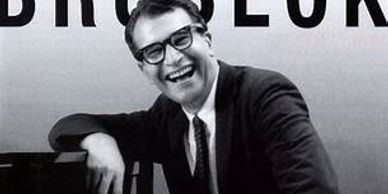
Explore the quartet’s groundbreaking albums, including the timeless “Time Out,” which introduced complex time signatures to a wider audience.
Innovative Style

Discover how the Dave Brubeck Quartet’s unique blend of classical elements and cool jazz reshaped the genre and inspired countless musicians.
Cultural Impact
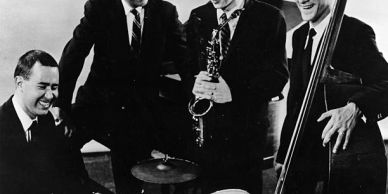
Uncover the quartet’s influence on the jazz community, including their role in elevating jazz to a mainstream art form during the 1950s.
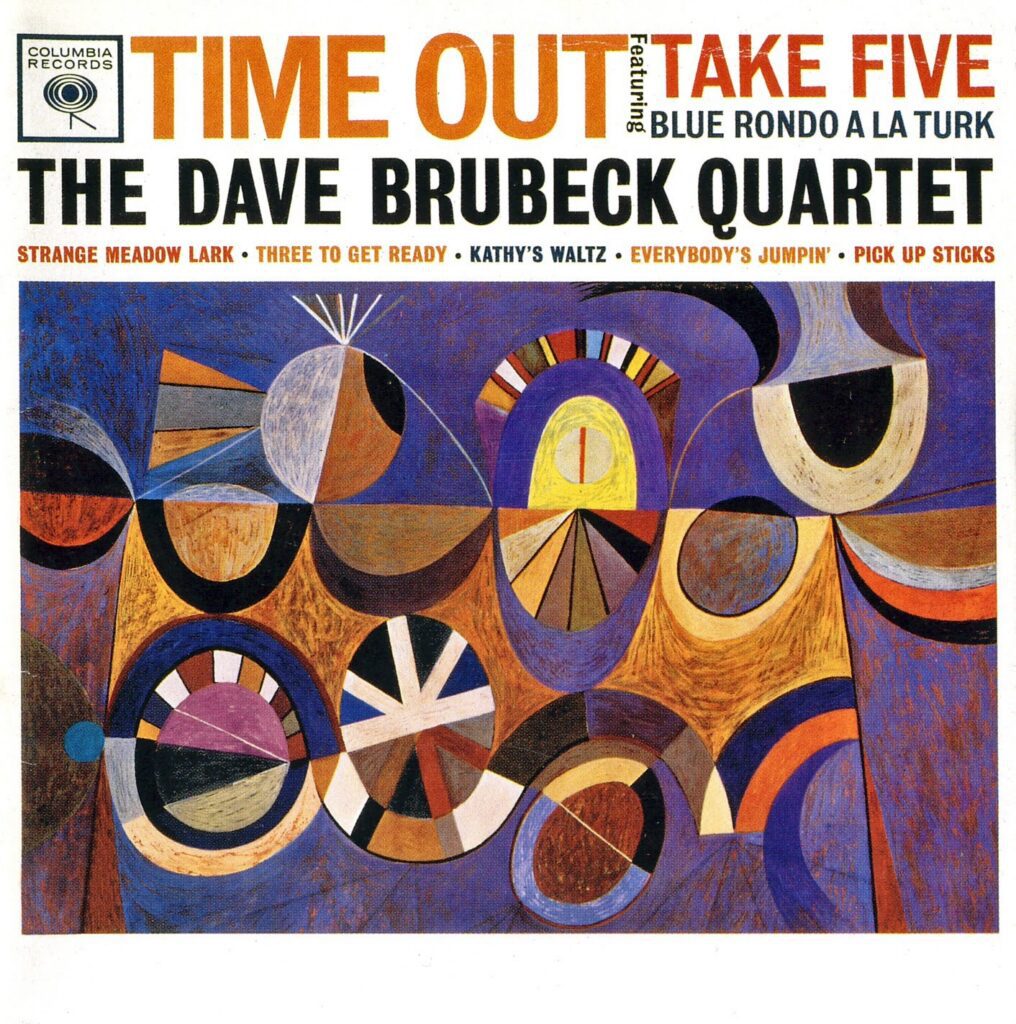
The Dave Brubeck Quartet — Time Out
Released in 1959, Time Out pairs rhythmic adventure with memorable melodies, creating one of jazz’s most recognizable albums. Dave Brubeck’s piano and Paul Desmond’s lyrical alto saxophone are joined by Eugene Wright on bass and Joe Morello on drums—a quartet whose chemistry makes unusual rhythms feel remarkably natural.
The album grew from Brubeck’s interest in moving beyond jazz’s familiar rhythmic patterns. “Blue Rondo à la Turk” draws on a Turkish rhythm in nine-eight time, weaving its bustling theme together with swinging blues passages. Desmond’s “Take Five,” written in five-four time, became the quartet’s signature recording, with its unforgettable saxophone melody and Morello’s distinctive drum feature.
Beyond those famous tracks, the album offers plenty of quieter pleasures, including the graceful “Strange Meadow Lark” and the flowing “Kathy’s Waltz.” Brubeck’s percussive playing and Desmond’s airy tone give the music a compelling balance of energy and warmth.
Time Out rewards close listening while remaining welcoming to newcomers. Its lasting appeal comes from the pleasure of hearing four musicians turn adventurous ideas into music that feels effortless.
Time Out
Blue Rondo À La Turk
Strange Meadow Lark
Take Five
Three To Get Ready
Kathy’s Waltz
Everybody’s Jumpin’
Pick Up Sticks
The Dave Brubeck Quintet
Dave Brubeck – Piano
Paul Desmond – Alto Saxophone
Eugene Wright – Contrabass
Joe Morello – Drums
Where do I go after Time Out?
1. Time Further Out (1961)
The direct follow-up to Time Out and another exploration of unusual time signatures.
Why you’ll love it: More rhythmic experimentation, beautiful melodies, and classic Brubeck Quartet chemistry.
2. Time In (1966)
The final entry in Brubeck’s famous “Time” series.
Why you’ll love it: Creative rhythms combined with some of the quartet’s most mature playing.
3. Jazz Impressions of Eurasia (1958)
Inspired by Brubeck’s travels through Europe and Asia.
Why you’ll love it: Memorable themes, unusual rhythms, and some of Paul Desmond’s finest solos.
4. Jazz Goes to College (1954)
The album that helped establish Brubeck as one of jazz’s most popular artists.
Why you’ll love it: Energetic live performances and outstanding quartet interaction.
5. At Carnegie Hall (1963)
Often considered the definitive live Brubeck recording.
Why you’ll love it: Extended versions of many classic tunes and spectacular interplay between Brubeck and Desmond.