
Stanley Turrentine: Blue Hour
Stanley Turrentine’s Blue Hour Highlights
Soulful Collaborations
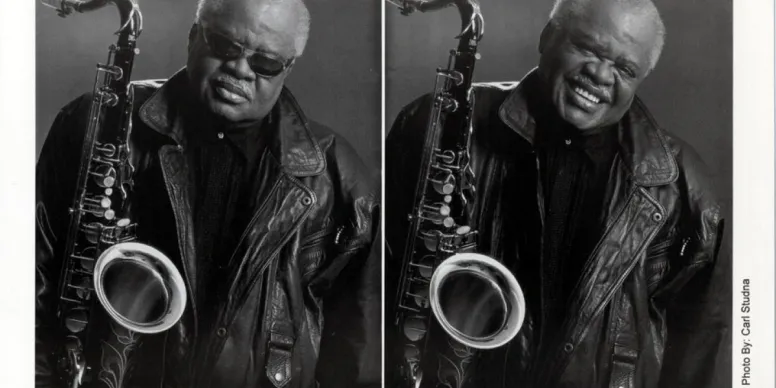
Experience Turrentine’s stunning partnerships with luminaries like Gene Harris, Andrew Simpkins and Bill Dowdy that define jazz innovation.
Melodic Mastery
Delight in Turrentine’s unique saxophone voice, blending blues with smooth melodies that captivate audiences.
Iconic Performances
Relive groundbreaking live recordings that showcase Turrentine’s electrifying stage presence and improvisational prowess.
Jazz Education
Engage with workshops and classes inspired by Turrentine’s style, enriching the Bay Area jazz community.
Exclusive Events
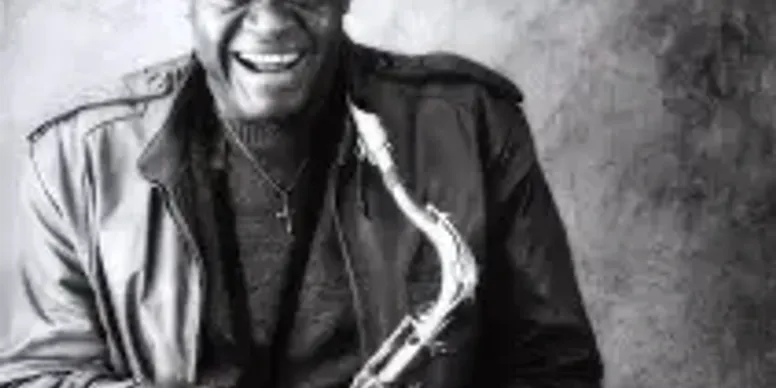
Join live events dedicated to Turrentine’s legacy, featuring top Bay Area jazz musicians bringing his music to life.
Stanley Turrentine: The Soulful Saxophonist of the Bay Area Jazz Scene
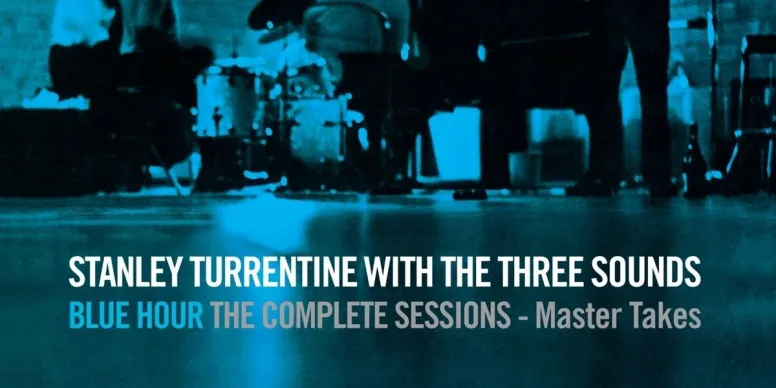
Released in 1960 on Blue Note Records, Blue Hour is one of tenor saxophonist Stanley Turrentine’s most soulful and accessible recordings. Backed by the laid-back groove of The Three Sounds, the album blends blues, hard bop, and late-night jazz into a warm, relaxed atmosphere. Turrentine’s rich, bluesy saxophone tone pairs perfectly with the trio’s smooth piano, bass, and drums, creating a recording that feels intimate and timeless. Highlights include the title track “Blue Hour” and the swinging “Since I Fell for You,” both showcasing the album’s deep emotional feel and after-hours mood.
My Personal Favorite: Since I Fell for You
Blue Hour
1. I Want A Little Girl
2. Gee Baby Ain’t I Good To You
3. Blue Riff
4. Since I Fell For You
5. Willow Weep For Me
Personnel;
Stanley Turrentine – Tenor Saxophone
Gene Harris – Piano
Andrew Simpkins – Bass
Bill Dowdy – Drums [1]
Features
Soulful Collaborations
Experience Turrentine’s stunning partnerships with luminaries like Gene Harris, Andrew Simpkins and Bill Dowdy that define jazz innovation.
Melodic Mastery
Delight in Turrentine’s unique saxophone voice, blending blues with smooth melodies that captivate audiences.
Iconic Performances
Relive groundbreaking live recordings that showcase Turrentine’s electrifying stage presence and improvisational prowess.
Where do I go after Blue Hour
1. Ballads (1973)
A collection of standards and romantic melodies that showcases Turrentine’s warm, expressive tone.
Why you’ll love it: The same relaxed, smoky mood and lyrical approach found on Blue Hour.
2. That’s Where It’s At (1962)
Featuring pianist Les McCann, this Blue Note classic blends hard bop with soul-jazz influences.
Why you’ll love it: Bluesy grooves and Turrentine’s rich tenor sound are front and center.
3. Up at Minton’s (1961)
A spirited live recording from the legendary jazz club featuring energetic performances and excellent ensemble work.
Why you’ll love it: More of the earthy, soulful playing that defines Turrentine’s early Blue Note years.
4. Sugar (1970)
One of Turrentine’s most popular recordings, featuring a memorable groove and outstanding solos.
Why you’ll love it: A slightly funkier direction while retaining the blues feeling and melodic accessibility.
5. Look Out! (1960)
His debut as a leader for Blue Note, featuring a young Horace Parlan.
Why you’ll love it: Straight-ahead hard bop with the same soulful tenor voice heard on Blue Hour.