
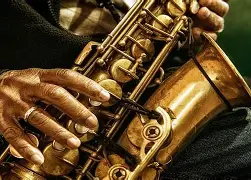
Saxophone Masters
Charlie Parker – Known as “Bird,” Parker revolutionized jazz through the creation of bebop. His astonishing improvisations, harmonic innovations, and rhythmic freedom changed the course of modern music.
John Coltrane – One of jazz’s most influential figures, Coltrane continually pushed artistic boundaries, from the hard bop of Blue Train to the spiritual explorations of A Love Supreme.
Lester Young – Nicknamed “Pres,” Young’s relaxed tone and melodic phrasing transformed tenor saxophone playing and profoundly influenced generations of musicians.
Coleman Hawkins – Often called the father of jazz tenor saxophone, Hawkins established the instrument as a major solo voice through his powerful sound and sophisticated improvisations.
Sonny Rollins – Renowned for his creativity, thematic improvisation, and commanding tone, Rollins remains one of the most original voices in jazz history.
Cannonball Adderley – Celebrated for his soulful alto sound and blues-infused exuberance, Adderley brought warmth and accessibility to hard bop.
Stan Getz – “The Sound” captivated audiences with his lyrical tenor style and helped popularize bossa nova through recordings such as Getz/Gilberto.
Ben Webster – A master ballad interpreter, Webster combined a robust swing-era sound with remarkable tenderness and emotional depth.
Wayne Shorter – As both a saxophonist and composer, Shorter shaped the music of the Jazz Messengers, the Miles Davis Quintet, and the fusion group Weather Report.
Dexter Gordon – One of the defining tenor voices of bebop, Gordon’s big tone, relaxed swing, and storytelling approach made him a towering figure in jazz.
Honorable mentions: Sidney Bechet, Ornette Coleman, Johnny Hodges, Joe Henderson, Sonny Stitt, Art Pepper, Hank Mobley, Michael Brecker, Eric Dolphy, and Pharoah Sanders.