
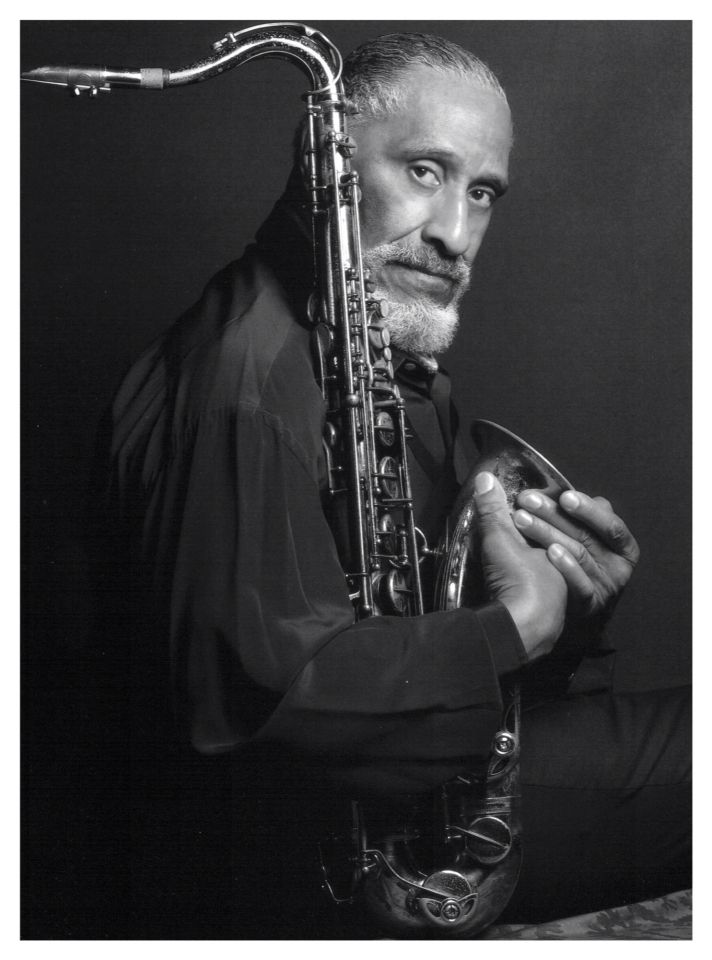
Sonny Rollins: Saxophone Colossus
Track Highlights from Saxophone Colossus

Delve into standout tracks like ‘St. Thomas’ and ‘Blue Seven’ that showcase Rollins’ incredible saxophone mastery.
Cultural Impact on Jazz Music

Discover how Saxophone Colossus redefined jazz saxophone performance, influencing countless musicians and elevating the genre.
Rollins’ Unique Artistry

Experience the blend of improvisation and composition that makes Rollins a standout artist in the jazz world, celebrating his innovative techniques.
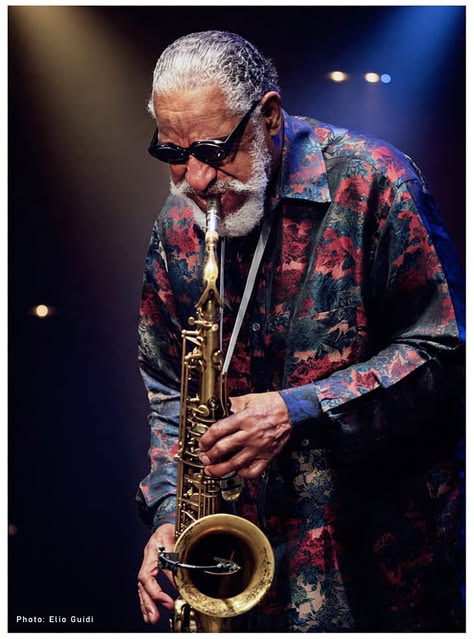
Sonny Rollins: Saxophone Colossus
Recorded in 1956, Saxophone Colossus captures tenor saxophonist Sonny Rollins at his creative best. With his big, expressive sound and gift for improvisation, Rollins brings warmth, humor, and imagination to every track. He’s joined by a remarkable group: pianist Tommy Flanagan, bassist Doug Watkins, and drummer Max Roach.
The album opens with “St. Thomas,” a joyful, calypso-flavored tune inspired by a melody Rollins knew from childhood and his family’s Caribbean roots. The tender “You Don’t Know What Love Is” reveals his sensitive side, while the closing “Blue 7” gives him room to develop a simple blues into a captivating musical story.
Filled with memorable melodies, inspired playing, and plenty of swing, Saxophone Colossus is a wonderful introduction to Sonny Rollins and an essential album for any jazz collection.
Saxophone Colossus
St. Thomas
You Don’t Know What Love Is
Strode Rode
Moritat
Blue Seven
Personnel
Sonny Rollins (tenor saxophone)
Tommy Flanagan (piano)
Doug Watkins (bass)
Max Roach (drums)
Where do I go after Saxophone Colossus?
1. Way Out West (1957)
One of Rollins’s greatest recordings, featuring the unusual trio format of tenor saxophone, bass, and drums.
Why you’ll love it: More of Rollins’s fearless improvisation and playful musical personality.
2. Tenor Madness (1956)
Famous for featuring the only recorded meeting of Rollins and John Coltrane.
Why you’ll love it: Hard-swinging performances and some of Rollins’s finest early work.
3. Freedom Suite (1958)
A landmark album featuring one of the first major civil-rights statements in jazz.
Why you’ll love it: Extended improvisations, remarkable trio interplay, and a more adventurous side of Rollins.
4. Sonny Rollins Plus Four (1956)
Features an all-star lineup including Clifford Brown and Max Roach.
Why you’ll love it: Classic hard bop with plenty of energy and memorable solos.
5. The Bridge (1962)
Rollins’s celebrated comeback album after his famous musical sabbatical.
Why you’ll love it: A more mature, reflective Rollins while retaining all of his creativity and swing.